The Gambler’s Fallacy Explained: Why People Believe a Win Is Due
Summarize this post
Key Takeaways
- The gambler’s fallacy is the belief that past results affect future outcomes, even in situations where each outcome is random.
- In games like roulette, slots, or coin flips, each outcome is independent. Nothing is “due.”
- Streaks feel meaningful, but they’re a normal part of randomness, not a signal of what’s coming.
- This kind of thinking often leads players to chase losses or press their bets at the wrong time.
- The more aware you are of it, the easier it is to stay grounded and make better decisions under pressure.
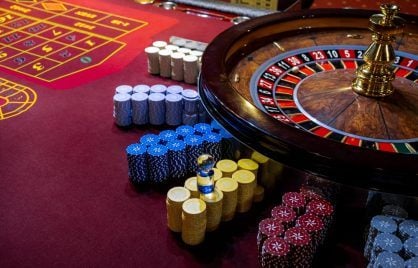
After five reds in a row on roulette, a lot of players start thinking the same thing:
Black is due.
If you’ve spent time around a roulette table, you’ve probably heard someone say it. It feels logical. Almost inevitable. Like the wheel has to correct itself.
But it doesn’t.
That belief is known as the gambler’s fallacy, the idea that past random outcomes influence what happens next. In reality, they don’t. Each spin, hand, or roll is independent. The odds don’t shift just because a result hasn’t shown up in a while.
There’s no hidden force keeping track, just randomness, which often includes streaks that feel anything but random.
Flip a coin five times and get heads every time. It might feel like tails is overdue. But on the next flip, nothing has changed. The odds are still 50/50. The coin doesn’t remember the streak, and neither does a roulette wheel or a slot machine.
In the moment, especially with money on the line, that “due” feeling is hard to shake.
This article breaks down why that instinct is so convincing, how it shows up across casino games and betting, and how to avoid letting it quietly push you into bad decisions.
Image Credit: Visin/Shutterstock
What Is the Gambler’s Fallacy?
The gambler’s fallacy is the belief that past results in a random process influence what happens next.
They don’t.
In most casino games, each outcome is an independent event. The roulette wheel doesn’t remember the last spin. A slot machine doesn’t track past results. The odds reset every time.
The mistake shows up when players see a streak and assume something has to change. After several reds, black feels overdue. After a dry spell, a payout feels close.
But randomness doesn’t work that way.
It doesn’t keep score or balance itself in the short term. Streaks aren’t signals. They’re a normal part of randomness.
Think of it like shuffling a deck. Even after a run of low cards, nothing adjusts. The next card is just as unpredictable as the last.
That’s the key idea, in gambling, every spin, hand, or roll stands on its own, no matter what just happened.
Why People Think a Win Is Due
If the gambler’s fallacy were purely logical, it would be easy to avoid.
The problem is, it doesn’t feel like a mistake. It feels like common sense.
At its core is how the brain handles randomness. We’re wired to look for patterns. When something repeats, like a streak of reds, it doesn’t register as random. It feels like something that means something.
Once the brain sees a pattern, it expects a shift. A long run starts to feel unbalanced, like something needs to be corrected. That’s where the idea of a result being “due” comes from. We stop relying on math and start trusting intuition, and that’s where things go wrong.
Over the long run, probabilities do even out. But people expect that to happen quickly, in the next spin or the next hand. When it doesn’t, the urge to act gets stronger. Bets get adjusted. Decisions get pushed.
Then emotion takes over.
After losses, the pressure builds. And when things stay one-sided, that tension sticks around. At that point, it’s no longer about probability. It feels like things just need to turn.
You start treating what’s happening like it means something, like it’s pointing to what comes next. It’s not really about the math anymore. It’s your brain trying to make sense of what’s happening, pulling you toward decisions that feel right, even when they aren’t.
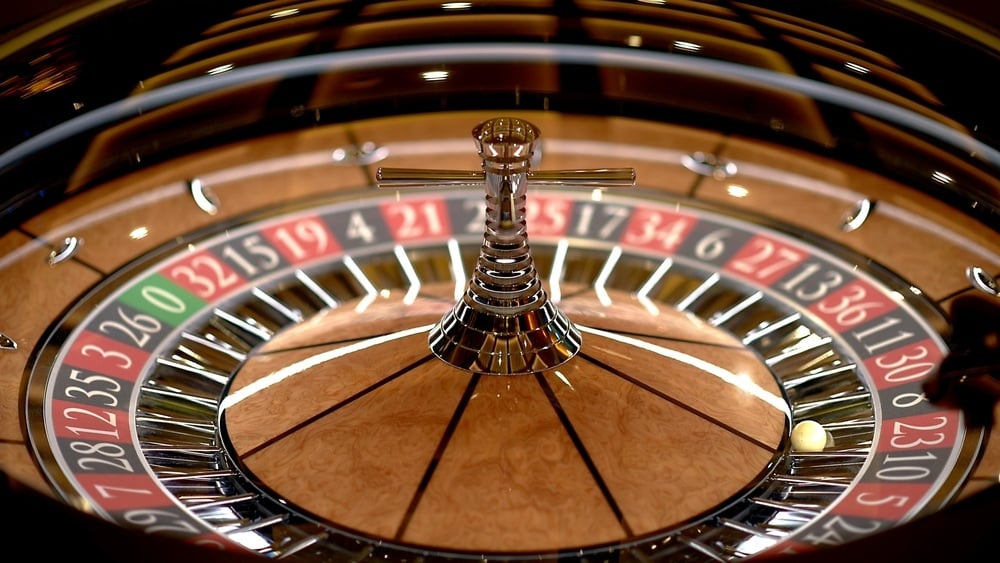
Image Credit: Visin/Shutterstock
Gambler’s Fallacy Examples in Real Gambling
The gambler’s fallacy shows up everywhere, but it’s easiest to spot in familiar situations.
Once you see it, you’ll start noticing it all the time.
Roulette
Roulette is the classic example.
If the wheel lands on red five or six times in a row, it starts to feel like black has to be next. You can watch it happen: players start sliding chips over, and pretty soon, black is crowded.
But each spin is independent. The wheel doesn’t track what just happened. The odds of red or black stay the same every time, no matter how unusual the streak feels.
Slots
Slot machines trigger the same kind of thinking, but in a different way.
After a long stretch without a payout, it’s easy to believe the machine is “due” to hit. Some players stay longer or increase their bets.
Slot machines use random number generators. Each spin is separate from the last. A machine that hasn’t paid out recently is no more likely to hit on the next spin than one that just did.
Coin Flips and Simple Probability
Even outside a casino, the same logic applies.
Flip a coin five times and get heads each time. Most people will feel like tails is overdue. But the next flip is still 50/50.
That’s the core idea: what just happened doesn’t change what happens next.
Sports Betting
Sports betting is a little different.
If a team has lost several games in a row, it’s easy to feel like they’re due for a win. Bettors jump on them for that reason alone.
But unlike roulette or slots, sports outcomes aren’t purely random. Injuries, matchups, and performance all matter. A losing streak might reflect real issues, not bad luck that’s about to “even out.”
The key distinction is simple, there’s a difference between analyzing real factors to identify sharp action and assuming a result is due to a streak.
Once you understand this, you start to see how often “due” thinking shows up, and how easy it is to act on it without realizing.
Image Credit: Visin/Shutterstock
Gambler’s Fallacy vs. Hot Hand Belief
The gambler’s fallacy isn’t the only way people misread streaks. There’s a closely related mistake that points in the opposite direction, the hot hand belief. The difference comes down to what you expect to happen next.
- The gambler’s fallacy says a streak will reverse.
- The hot hand belief says a streak will continue.
It leads to a different prediction, but it’s the same mistake.
In both cases, the brain is trying to turn randomness into a pattern that can be predicted. One expects a correction. The other expects momentum. But neither reflects how independent events actually work.
In sports or poker, it’s more complicated. Real factors like skill, fatigue, or confidence can influence performance, and sometimes a streak reflects something real.
But that’s exactly where players get into trouble. It’s easy to blur the line between what’s actually changing and what just feels like a pattern. When that happens, decisions start drifting away from evidence and toward intuition.
The key takeaway is simple, whether you expect a streak to continue or reverse, you’re still reacting to the streak, not the underlying probabilities.
Why the Gambler’s Fallacy Can Cost Players Money
On its own, the gambler’s fallacy might seem harmless. In practice, it drives some of the most expensive decisions players make.
The most common is chasing losses. After a series of losing bets, it’s easy to believe a win is coming soon. That belief keeps players in the game longer than planned or pushes them to double down.
Then there’s bet sizing. When something feels overdue, players often increase their bets. The logic feels sound, but the odds haven’t changed. This is where it starts to get expensive: when it feels like the right decision, even though the odds haven’t changed.
Decisions start to revolve around what just happened instead of what’s likely next. It can also lead to staying longer than intended.
Instead of walking away, players stick around because the win feels close: one more spin, one more hand. Over time, those small decisions add up, not because the game changed, but because your decisions did.
Image Credit: Visin/Shutterstock
How to Avoid the Gambler’s Fallacy
Avoiding the gambler’s fallacy isn’t about memorizing odds. It’s about how you handle decisions in the moment.
Here are a few habits that can make a big difference:
Treat each outcome on its own
Before placing a bet, pause. Ask what you’d do if this were the first hand or spin. If your decision depends on what just happened, that’s usually a mistake.
Don’t adjust bets based on streaks
A run of losses or wins can make it tempting to change your bet size. But streaks don’t change the underlying probabilities. If your bet is bigger because something feels “due,” step back.
Set limits ahead of time
Decide your bankroll and stopping point before you play, so you’re not waiting for the game to “turn around” before you walk away.
Expect randomness to look messy
Streaks and dry spells aren’t signals that something is about to change. They’re part of how randomness works.
Step away when emotion takes over
If frustration builds or you feel the urge to chase a result, take a break. That “something has to happen soon” feeling is often the fallacy creeping in.
Final Word
It’s easy to feel like a result is due, especially after a streak that doesn’t seem to make sense. But randomness doesn’t work on a schedule.
It doesn’t keep score. It doesn’t correct itself in the next moment. And it doesn’t owe anyone a win. Recognizing it in real time makes it easier to step back, trust the math, and make better decisions no matter what kind of run you’re in.
FAQ
The gambler’s fallacy is the mistaken belief that past outcomes influence future results in a random process. In reality, events like roulette spins or slot pulls are independent, so the odds stay the same.
People are wired to look for patterns. After a streak, it can feel like results should even out quickly, even though the odds haven’t changed.
Yes. After a run of one color, players often bet on the opposite, expecting a reversal.
Yes. Many players believe a machine is due to pay out after a dry spell, but each spin is random and independent.
The gambler’s fallacy expects a streak to reverse, while the hot hand belief expects it to continue. Both treat patterns as meaningful when they’re not.
Title