Gambling Superstitions: Why Players Believe in Luck at the Table


Summarize this post
Key Takeaways
- Gambling superstitions are common because players look for control and meaning in random outcomes.
- Gambling superstitions manifest themselves in several ways, including lucky charms, tokens, clothing or chips as well as rituals and behaviors such as how someone walks into a casino.
- Casino superstitions are part of gambling culture across slots, table games, poker and sports betting.
- Superstitions can lead to poor betting decisions if players treat it as strategy.
How many TV shows or movies have you seen where a Craps player blows on the dice before rolling them across the table? Why is there a collective groan when someone says “7” at a Craps table?
Have you sat at a Blackjack table and seen someone knock on the felt when the dealer gives them a 10 and they hope for an Ace?
Gambling superstitions are common in casinos and betting because people want a sense of control in games that are ruled by chance.
Superstitions can vary from arranging dice at a Craps table before a roll to carrying a lucky chip or token to wearing a jersey when betting on sports.
Gambling superstitions aren’t always believing that you can control the randomness of a game, they are habits that people have become accustomed to, which is why gamblers of all demographics and intelligence levels may have their own superstitions. Let’s dive deeper in gambling superstitions, why people have them and whether or not they may actually work.
What Are Gambling Superstitions?
Gambling superstitions are beliefs or rituals players follow to influence luck. These superstitions can include playing lucky numbers, carrying charms, doing specific behaviors or avoiding “unlucky” actions. While these rituals or beliefs have no real effect on outcomes, they provide a sense of control and comfort.
Casino gaming results are purely by chance or probability so any rituals will not impact the odds of a game or decrease a house edge. This does not include games like Poker where there is an element of skill since you are gambling against other players.
Why Gambling Superstitions Are So Common
Gambling superstitions tap into basic human psychology.
Pattern Recognition
Pattern recognition is a psychological term for when people make connections between memory and perceived information. We are naturally wired to look for patterns, even when none exist.
In casino gambling, where outcomes are random, attempts at pattern recognition tend to be strong. For example, when a Roulette player sees a Red number has come up 5 times in a row, they notice the pattern and believe a Black number is due, even when each spin of the wheel is independent and random.
Or, a player might notice they won after wearing a certain shirt, pressing a button a certain way or even tapping a Blackjack table in hopes of getting that Ace and 10-value card. When it works, the brain links the two.
Emotional Swings
Emotional swings also play a role in casino superstitions. Whether it’s excitement during wins or frustration during losses, players want to feel they have a sense of control in an otherwise unpredictable situation.
Simple rituals, like sticking to a “lucky” slot machine or blackjack dealer, repeating specific actions or sitting at a specific seat at a table can feel like a way they can influence the outcome.
Memory is a funny thing when it comes to superstitions. People tend to remember the times a superstition seemed to work and forget all the many, many times it didn’t. Selective recall reinforces the belief, making the ritual feel meaningful.
Stand at a craps table and you’ll see people position the dice a specific way, maybe rub the felt on the table and toss the dice with a concentrated flick of the wrist, they remember that when they do this, they win. They don’t remember the losses.
Casino Environments
Casino environments add to superstitions as well. The repetition of games, the suspense of each round, spin or roll, and the familiar routines all make it easy for superstitions to take hold and feel like part of the experience.
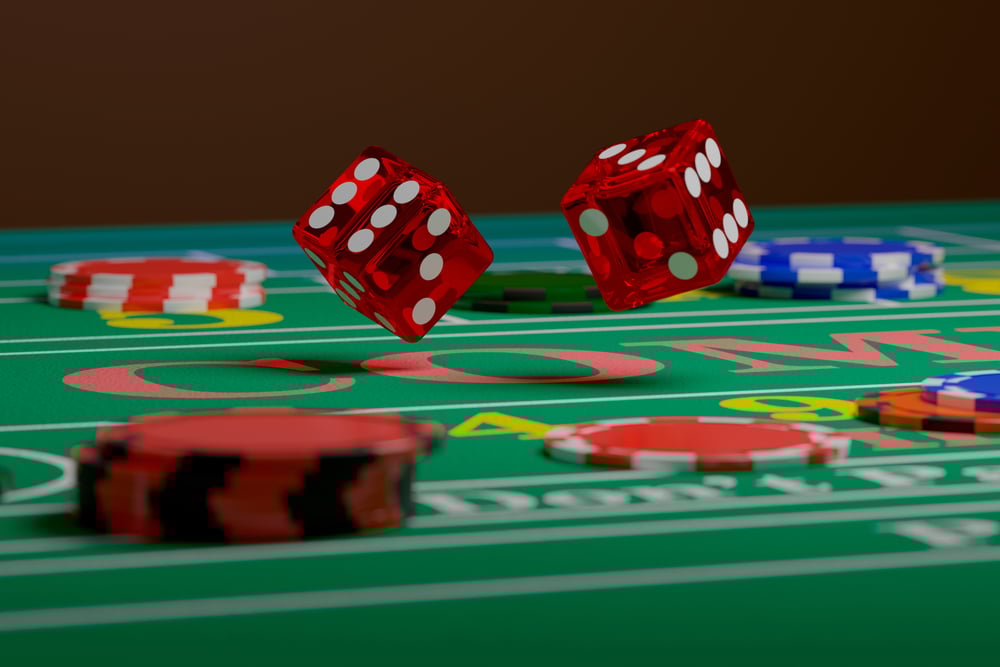
Image Credit: Krakenimages.com/Shutterstock
Common Gambling Superstitions Players Still Believe
If you’ve ever stepped foot in a casino, know people who play the lottery or partake in sports betting, you’ll find any number of rituals or beliefs. Here are some of the common gambling superstitions:
Lucky Numbers in Gambling
Certain numbers carry strong associations depending on the player or culture. The number 7 is often seen as universally lucky, unless it’s at the craps table. The number 8 is favored in many Asian cultures for its connection to prosperity.
Of course, no one likes 13 as it’s perceived as bad or unlucky to the point that many hotels don’t even have a 13th floor.
Roulette gamblers have their favorite number and lots of lottery players play the same number week-after-week. Ask anyone if they have a favorite number and they likely will share it. Mine is 24 and I can’t for the life of me tell you why, but it’s been that way since I was a kid.
Lucky Charms and Clothing
Many players rely on personal items they believe bring good fortune. This could be a specific shirt worn during a big win (which is a go-to for sports fans), a piece of jewelry or even a coin or token kept in a pocket.
Lucky charms in gambling are linked to a positive outcome and quickly become part of a regular routine.
Ten-time World Series of Poker champion, Johnny Chan, has his own lucky charm at the table: an orange.
Hot and Cold Machines or Tables
A common belief is that games run in winning streaks and losing streaks, and it certainly feels that way. Players may seek out a hot slot machine that may have paid out before or they believe will pay out now. Tables may be called “cold” after a string of losses, even though each result is independent.
Craps tables seem to run hot with chips flying everywhere and dice rolling in the player’s favor. Then, a few losses occur and the players flee because the table turned cold. You’ll often see this with 2 tables on the casino floor with one extremely busy, crowded and boisterous and another operating with a handful of gamblers leaning over their bets.
When it comes to games of chance though, hot or cold machines and tables are perceived and not based in reality.
In the film, The Cooler, a casino relies on a certain individual to step up to a hot table because he’s known to cool it down and make everyone lose.
Lucky Seats
Some gamblers prefer a specific chair, position or machine, believing it improves their chances.
- Slot machine players will stand behind someone waiting for the chair to open hoping to reclaim a “lucky” spot rather than settling for another seat.
- A seat tied to a past win can feel “right,” encouraging players to return to it
- A Blackjack player may insist on a specific spot because it brings them luck
There aren’t lucky seats in casinos but those tied to superstition.
Casino Rituals
Gambling rituals tend to be the most visible and are often tropes in movies and TV shows. The famous ones are blowing on dice, tapping the machine or avoiding certain words.
Other rituals may include entering a casino through the same door every time they visit or starting at a certain table or machine. And then, even saying words like “lose” or “bad luck” can make someone angry.
Sports Betting Superstitions
Sports bettors often develop rituals that mirror those of fans, especially when a routine coincides with a winning bet. Most commonly, a sports bettor will wear the same jersey, hat or shirt during games. They may sit in the same spot on the couch. Or eat or drink something specific.
A sports gambler may follow strict game-day routines to ensure they’re doing everything possible to help their team eke out a win, including ordering the same food, placing bets at a specific time or avoiding any changes once a perceived winning streak begins.
Sometimes they won’t even watch the game and refuse to check the score thinking they are jinxing the team.
An example of this is in the movie, Silver Linings Playbook, in which a father relies on his son to attend Philadelphia Eagles games because he’s considered a “good luck charm.”
Image Credit: Krakenimages.com/Shutterstock
Do Gambling Superstitions Work?
The straight answer is: no.
Superstitions, unfortunately, can never change the actual odds of independent or chance-based outcomes.
- The Roulette wheel doesn’t care about lucky numbers. The ball lands in the slot at random, every time.
- Slots do not respond to rituals or ensure a win just because it paid out before or because a certain player is sitting at the machine.
- Dice in a Craps game will never land on a certain number because of the ritual the roller does prior to tossing them. Even saying “7” won’t impact the dice roll, it just so happens 7 is the most likely number to come up. Whether or not someone says “7,” the odds of rolling a 7 will always be 16.6%.
- Sports outcomes involve real variables. Whether it’s the fan, the gambler or the player, superstitious behavior can never be a strategy for winning.
Superstition can affect how a player feels though. If a player feels good, they may exude confidence, which is helpful in a game like Poker but doesn’t change probabilities.
Gambling Superstitions vs. Gambling Strategy
Gambling superstitions and gambling strategy are two completely different things and one does not impact the other.
- Superstition: A belief, ritual or luck. Superstitions are habits players think will influence outcomes, even though they don’t actually change the odds.
- Strategy: Based on probability or structured decision-making. A gambling strategy aims to manage risk or improve long-term outcomes, even if it can’t guarantee wins.
A superstition feels lucky whereas a strategy can improve odds or help control risk.
When Superstition Becomes a Problem
Although gamblers take their superstitions seriously, they are mostly harmless. However, there are times a superstition can become a problem. Here are some signs that indicate a gambler’s superstition is negatively influencing decisions, money or behavior:
- Making bigger bets because a charm, chip or token is making it feel “right”
- A superstition overrides logic, such as a player ignoring odds, rules or basic strategy and decisions shift from rational to emotional
- Refusing to leave or increasing bets based on a lucky streak. Some players will keep betting after losses believing their luck is about to turn, refuse to leave because the machine owes a payout or ignore bankroll limits
- A superstition failing leads to frustration, anxiety or anger.
Why Casinos and Gambling Culture Keep These Beliefs Alive
Is there a reason for keeping superstitions in casinos alive? Of course!
Superstitions add personality and excitement to the casino gaming experience. Beliefs about luck can become part of the folklore between players and have the element of storytelling with tales of big wins, near-misses, gambling myths and lucky streaks all reinforcing the idea that something beyond pure chance is at play. Players may even adopt new rituals based on the stories they hear.
Casino games like Craps and Roulette encourage these behaviors. Setting up the dice, eyeing the opposite side of the table and rolling a certain way adds suspense and excitement, which boosts the social experience and can make things more fun.
Have Fun with Gambling Superstitions
Some people may mock superstitions, but who cares? They can be fun and add to the experience of casino gambling. Superstitions may be habits that make you recall fond memories of a big win or add enjoyment when playing table games.
It’s important to remember though that superstitious beliefs, rituals or charms do not change probabilities or odds. Therefore, stick with gambling strategies that can help reduce the house edge and give you better chances of winning.
FAQ
Gambling superstitions are beliefs or rituals players follow to influence luck and may include playing lucky numbers, carrying charms or exhibiting specific behaviors.
Unfortunately, they do not change the odds or the randomized nature of casino gaming.
There are many reasons. Some want to feel control over games of chance while others believe a lucky charm that was present during a win might bring the good luck back.
If superstitions turn logical decisions into emotional ones, then it can impact how you play and negatively affect your bankroll.
Title Image Credit: Krakenimages.com/Shutterstock