 Main menu

Research
Can GLP-1 Weight Loss Drugs Help Treat Gambling Addiction? Doctors Weigh-In
Posted on: May 25, 2026, 12:21h.
Last updated on: May 26, 2026, 05:20h.


- Doctors suspect GLP-1 medicines might help fight gambling disorders
- Researchers say more data is needed before prescribing GLP-1 for gambling problems
- Health officials believe gambling problems are on the rise
As gambling options become more prevalent than ever, public health experts warn that gambling addiction is rising right alongside them.
The rise of sports betting, prediction markets, and sweepstakes casinos has made gambling easily accessible for nearly all US adults.
The National Institute on Drug Abuse says the nation is facing a gambling crisis. The Public Health Advocacy Institute thinks the country is “in the early stages of a mental health and gambling addiction epidemic.”
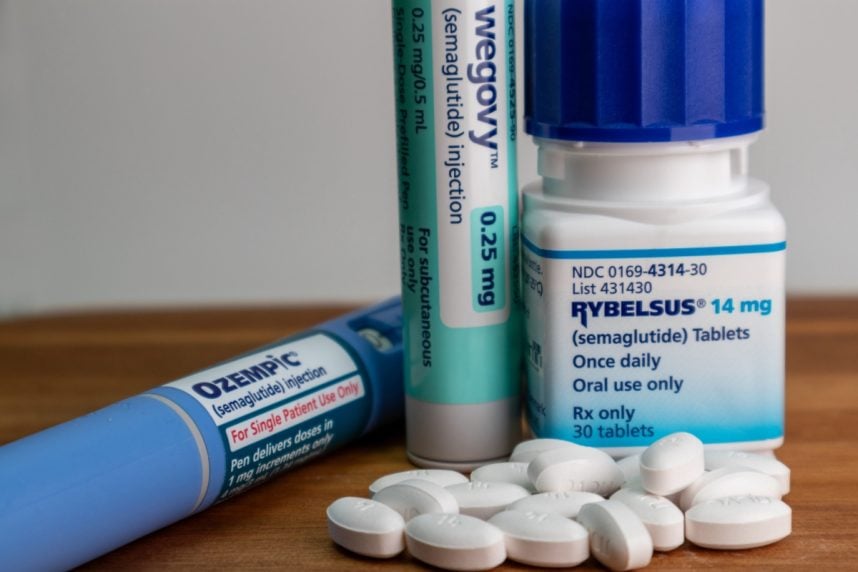
With concerns rampant about problem gambling, many are wondering if GLP-1 drugs, type 2 diabetes medications that have transformed into lifestyle-changing obesity treatments, might also be beneficial to gambling addicts.
Weight-loss medications like GLP-1s don’t just affect hunger and metabolic dysfunction — they influence how the brain processes reward,” said Dr. Ivania Rizo, an assistant professor of medicine at Boston University who is also the director of obesity medicine at Boston Medical Center.
“These drugs act on areas in the brain, like the mesolimbic system, which is involved in feelings of pleasure and motivation,” Rizo said. “This system plays a role in cravings for food, but also for other rewarding behaviors like drinking alcohol, gambling, or even shopping.
“When these medications reduce food cravings, they might also dull the drive for other types of dependence-related behaviors. The medication turns down the ‘reward’ signals in the brain, not just for food, but for other temptations, too,” he added.
More Research Needed
While GLP-1 agonists are showing promising results in combating gambling addictions, researchers say more data is needed before a weight-loss drug for problem gambling should be prescribed.
“At this time, we only have anecdotal evidence. Multiple, randomized controlled trials have been initiated to determine whether GLP-1 medicines have a therapeutic impact on these disorders,” Rizo explained.
Dr. Keith Roach, an internal medicine doctor at Weill Cornell in New York, writes a weekly “Dear Doctor” newspaper advice column that’s syndicated nationwide. Roach agrees that, at this time, it’s too early to say if a GLP-1 is therapeutic for a gambling disorder.
The evidence for GLP-1 agonists helping with alcohol use disorder is now quite strong, with studies showing significant reductions in alcohol-related hospitalizations and a reduction in problem drinking. The evidence for gambling disorders is preliminary based on the understanding of how these drugs work in the brain,” Roach wrote.
“There are no strong clinical data at this time supporting the use of GLP-1 agonists for a gambling disorder,” Road said.
Wonder Drug?
GLP-1s were developed for type 2 diabetes. A beneficial side effect was discovered that the medications were suppressing appetites and leading to substantial weight loss.
The unexpected benefits didn’t end there.
GLP-1s have been found to improve cardiovascular health, systemic inflammation, neurological conditions, and kidney and liver problems.

 Most Read

Another Shooting Near Las Vegas Strip Casino Injures Man
 972,242 views

Vintners Oppose Napa Valley Casino
555,893 views


Conversation (0)
Be the first to comment on this article.