 Main menu

Legal
Elon Musk Ordered to Testify in Fraud Lawsuits Over $1M Election Lottery
Posted on: June 27, 2026, 10:30h.
Last updated on: June 29, 2026, 07:23h.


- A federal magistrate judge ordered Musk to appear for a deposition while formally recommending that the voters’ fraud claims survive summary judgment
- The judge found that jurors should decide whether promises of a random $1 million giveaway misled voters into sharing their personal information
- The court recommended dismissing the plaintiffs’ breach of contract claims, finding that the political promotion did not create an enforceable agreement under Texas law
A federal judge has ordered Elon Musk to testify in two class-action lawsuits that allege his controversial $1 million “election lottery” amounted to fraud.
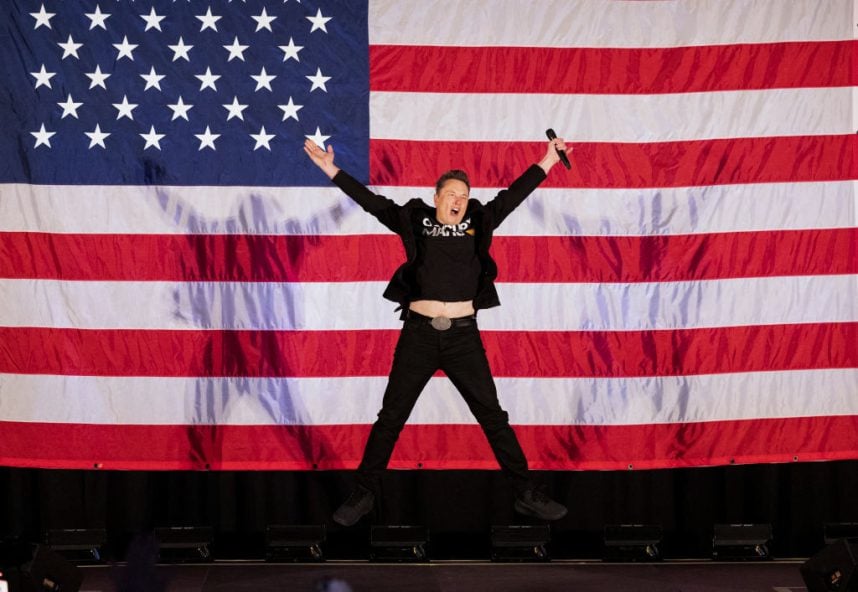
On Thursday (June 25), U.S. Magistrate Judge Susan Hightower in Austin, Texas, recommended that fraud claims against Musk and his pro-Trump political action committee, America PAC, survive summary judgment. She also ordered Musk to sit for a deposition in the cases.
In the run-up to the 2024 presidential election, Musk and America PAC promised to give away $1 million each day “at random” to registered voters in swing states. To be in with a chance, voters had to submit personal details and sign a petition supporting free speech and gun rights.
Leaving Nothing to Chance
That prompted the Philadelphia District Attorney’s Office to sue Musk and America PAC, accusing them of election fraud and running an illegal lottery.
Under federal law, it is a crime punishable by up to five years in prison to “pay or offer to pay or accept payment either for registration to vote or for voting” — and the DA argued this was effectively what the giveaway did.
Ultimately, Judge Angelo Foglietta disagreed, but not before Musk’s lawyer, Chris Gober, disclosed details about how the so-called lottery worked.
The “winners” were not picked by chance, Gober told the court, but were vetted in advance and selected for their suitability to represent America PAC ahead of the election.
Moreover, the $1 million payments were not prizes, but compensation for serving as spokespeople for America PAC, he argued.
Two Arizona women, Joy Harvick and Jacqueline McAferty, subsequently filed separate federal class-action lawsuits in Texas, accusing Musk and America PAC of tricking voters into handing over personal information by offering a competition they had no real chance to win.
Factual Disputes
In recommending that the fraud claims proceed, Hightower found there were factual disputes that should be decided by a jury, including whether Musk’s representations about the $1 million giveaway were misleading and whether participants relied on them.
The judge also recommended dismissing breach of contract claims in the complaints, finding the promotion did not amount to an enforceable contract under Texas law.
Hightower’s recommendations will now be reviewed by U.S. District Judge Robert Pitman, who will make the final decision.

 Most Read
Another Shooting Near Las Vegas Strip Casino Injures Man
 970,456 views

Vintners Oppose Napa Valley Casino
554,231 views


Conversation (0)
Be the first to comment on this article.