 Main menu

Las Vegas
Federal Agency Sues Circa Las Vegas for Alleged Religious Discrimination
Posted on: September 25, 2026, 12:43h.
Last updated on: September 25, 2026, 01:55h.

Key Points
- The EEOC is suing Circa Resort & Casino for firing a cashier who wore a religious headscarf
- Management allegedly demanded a synagogue letter and terminated the Messianic Jewish worker after she refused
- The federal lawsuit claims Title VII violations and seeks back pay plus updated workplace policies


Federal authorities have filed a religious discrimination lawsuit against Circa Resort & Casino in downtown Las Vegas, alleging the gaming property unlawfully disciplined and fired a Messianic Jewish employee for wearing a headscarf in accordance with her faith.
According to a complaint—filed in the U.S. District Court for the District of Nevada by the Equal Employment Opportunity Commission (EEOC) —the dispute began when a manager at the downtown casino resort ordered a cage cashier to remove her religious headscarf while on duty.
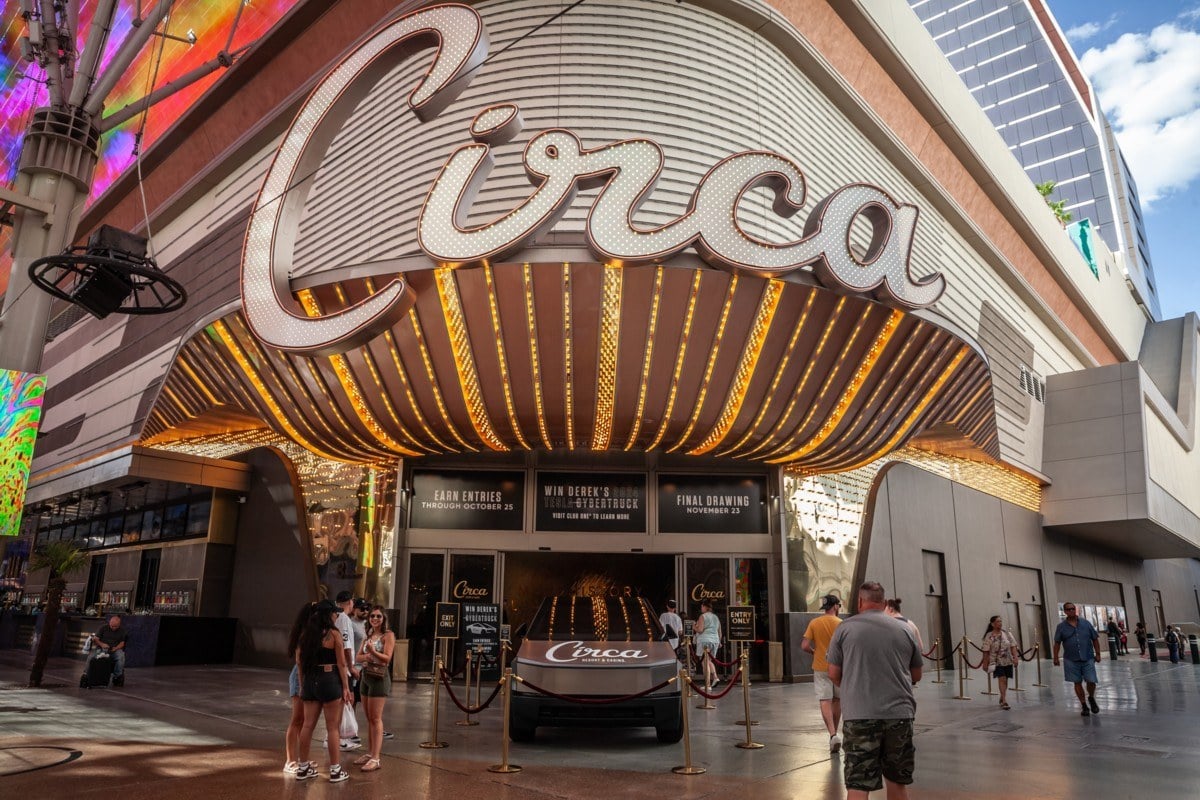
When the cashier refused to comply, she was sent home without pay, according to the suit. Subsequently, the downtown casino’s human resources manager demanded that the cashier obtain a letter from a clergy member validating her religious practice. According to the EEOC, the human resources executive imposed the mandate because the employee’s religious observance “did not comport with his personal views of Judaism.”
The employee informed human resources representatives that she was unable to obtain a clergy letter because she did not belong to a formal synagogue. Despite her explanation, the casino refused to allow the worker to return to her duties and ultimately fired her in July 2024, according to the lawsuit.
The federal agency brought the legal action—EEOC v. Circa Resort & Casino (Case No. 2:26-cv-03088)—after attempts to reach a voluntary pre-litigation settlement through an administrative conciliation process proved unsuccessful.
Legal Standing
The complaint asserts that Circa violated Title VII of the Civil Rights Act of 1964, which explicitly prohibits employment discrimination based on religion, mandates reasonable religious accommodations absent undue hardship, and forbids retaliation against workers who request accommodations or oppose discriminatory practices.
Federal officials emphasized that workplace protections cover all forms of sincere religious practice, regardless of an employer’s personal views or interpretations of a faith.
“Federal law applies to all aspects of an individual’s religious observance, practice and belief, and employers must make reasonable efforts to accommodate employees,” said Michael Mendoza, director of the EEOC’s Las Vegas Local Office. “The EEOC stands ready to enforce the law on religious discrimination for all faiths.”
Under Title VII, employers in the gaming and hospitality sector are required to engage in good-faith efforts to accommodate sincere religious beliefs held by their staff. Denying an accommodation request or penalizing a worker without demonstrating that the request poses an undue burden on business operations violates federal law.
EEOC legal representatives stressed that workers in the casino industry should never be forced to sacrifice their religious convictions to maintain their employment.
“The EEOC will continue to protect employees so they are not forced to choose between their livelihood and their religion,” said Beatriz Andre, acting regional attorney of the EEOC’s L.A. District. “Employers need to be reminded that, absent an undue hardship, they are required to comply with Title VII.”
The lawsuit seeks monetary relief for the former cage cashier, including back pay and compensatory damages, along with injunctive relief to compel Circa to update its policies and prevent future religious discrimination.
Casino.org emailed a Circa spokesperson for comment. If one is received, this article will be updated with it.

 Most Read
Another Shooting Near Las Vegas Strip Casino Injures Man
 971,853 views

Vintners Oppose Napa Valley Casino
555,517 views





Conversation (0)
Be the first to comment on this article.