 Main menu

Crime & Scandals
Former IT Boss Masterminded $800K Casino Fraud Using Fake Driver’s Licenses
Posted on: October 15, 2026, 07:26h.
Last updated on: October 15, 2026, 07:26h.


Key Points
- Cushing created counterfeit licenses using stolen customer details, enabling accomplices to obtain cash advances at casino kiosks
- Prosecutors said Cushing continued the fraud for months after several accomplices were arrested, changing tactics to evade detection
- Cushing sought probation after addiction treatment, while his attorneys disputed the $841,261 loss figure, citing unrelated fraud schemes


A former IT company owner who orchestrated a fake-ID scam that drained hundreds of thousands of dollars from casino cash kiosks has been sentenced to nearly eight years in federal prison.
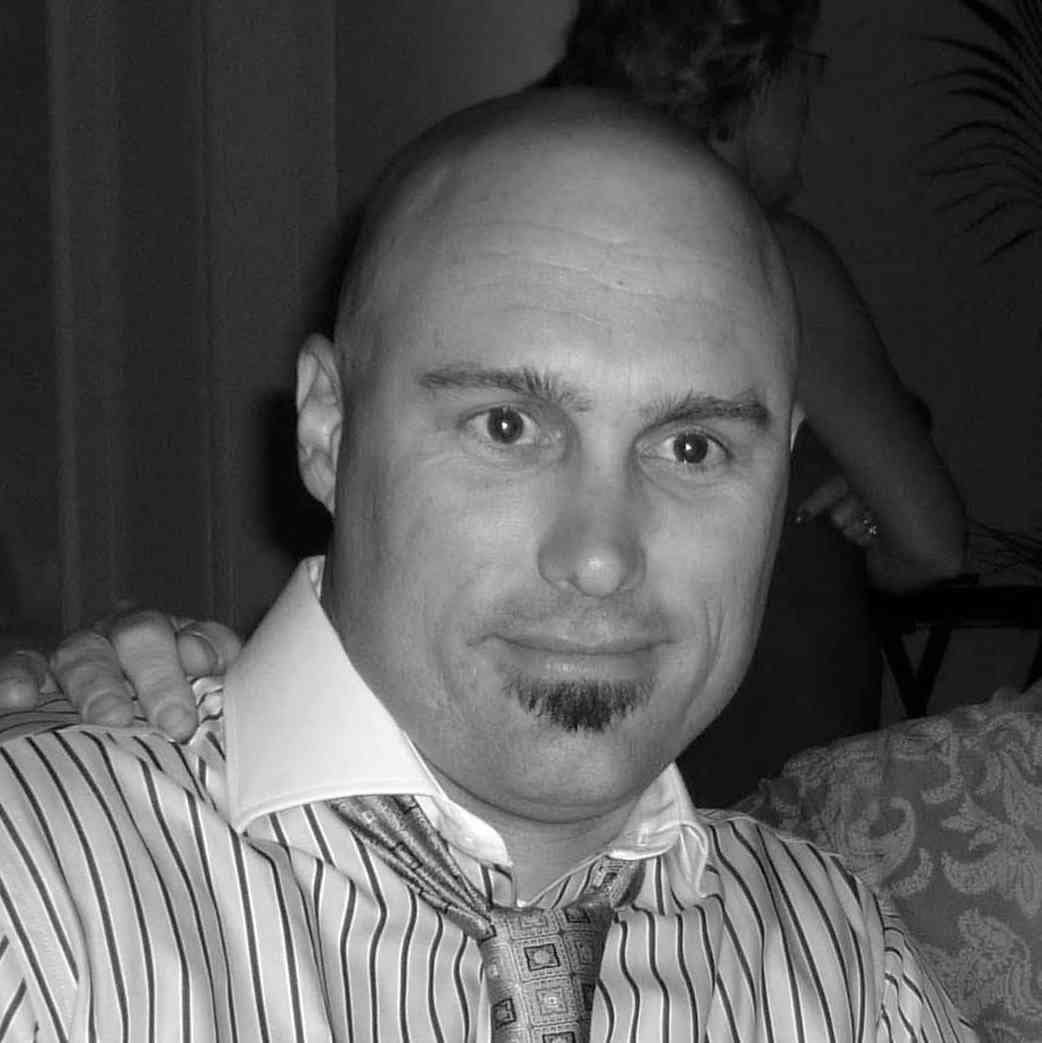
Jeremy Cushing, 53, of Topeka, Kan., received a 95-month sentence after pleading guilty to conspiracy to commit wire fraud. Four accomplices also received prison terms for their roles in a scheme that prosecutors say cost casino payments provider Pavilion Payments more than $800,000.
The scammers used counterfeit driver’s licenses to pose as genuine casino customers enrolled in Pavilion’s VIP Preferred cash-access program.
Cushing identified potential victims and helped obtain their personal information, according to court filings. He then manufactured fake licenses with barcodes containing the stolen details and distributed them to accomplices, who visited casino kiosks to obtain cash advances.
By scanning the licenses and entering the last four digits of the customers’ Social Security and telephone numbers, the conspirators could access their preapproved cash limits, typically ranging from $2,500 to $50,000.
Runners Sent to Casinos
Prosecutors said accomplices either made the withdrawals themselves or recruited “runners” to visit casinos armed with fake IDs and precise instructions about when and how much to withdraw.
The fraud targeted casinos in California, Oklahoma, and Kansas, often on tribal land. According to the indictment, the kiosks produced transaction receipts containing photographs of whoever withdrew the money.
Prosecutors said Cushing continued operating the scheme until at least July 2024, months after some of his accomplices were arrested. They described him as the operation’s leader, saying he altered its methods and moved between jurisdictions to evade detection.
Cushing’s criminal history included numerous financial offenses. In seeking a 95-month sentence, prosecutors said his computer expertise made him particularly adept at orchestrating the fraud.
From IT Boss to Casino Fraudster
Cushing’s attorney described his client as a former San Diego computer technician who helped build an IT business employing nine people and serving around 50 customers before his life unraveled amid addiction and a relationship breakdown.
The defense said Cushing and his accomplices would seek methamphetamine soon after withdrawing money from casinos. Following his August 2024 arrest, he entered treatment and later lived in sober housing, worked, and mentored others struggling with addiction.
His lawyer requested five years’ probation, arguing that imprisonment would undermine nearly two years of rehabilitation. Alternatively, the defense sought no more than three years behind bars. The judge imposed the 95 months prosecutors requested.
Cushing also disputed Pavilion’s claimed $841,261 loss, arguing that its records included transactions by unrelated fraud groups. The defense said Pavilion reimbursed individual customers and that the perpetrators never directly accessed their bank accounts.
Rachael Matoian received 38 months, Abraham Ruiz 34 months, and Cassandra Williams and Leroy Noll 12 months each, the Justice Department announced Wednesday.

 Most Read
Another Shooting Near Las Vegas Strip Casino Injures Man
 972,620 views

Vintners Oppose Napa Valley Casino
556,230 views


Conversation (0)
Be the first to comment on this article.