 Main menu


Crime & Scandals
Jontay Porter Claims Mafia Threats Drove NBA Betting Scandal, But Were They Real?
Posted on: November 10, 2026, 06:54h.
Last updated on: November 11, 2026, 04:17h.


Key Points
- Porter said he feared for his pregnant wife after intermediaries warned of consequences over mounting gambling debts
- The New Yorker traced a supposed Mafia bookmaker’s phone number to a man implicated in the NBA betting scheme
- Porter never spoke directly with the alleged mobsters, leaving unanswered questions about the identities behind the threats


Former Toronto Raptors player Jontay Porter told The New Yorker he feared that mob enforcers would target his pregnant wife unless he repaid a $200,000 gambling debt.
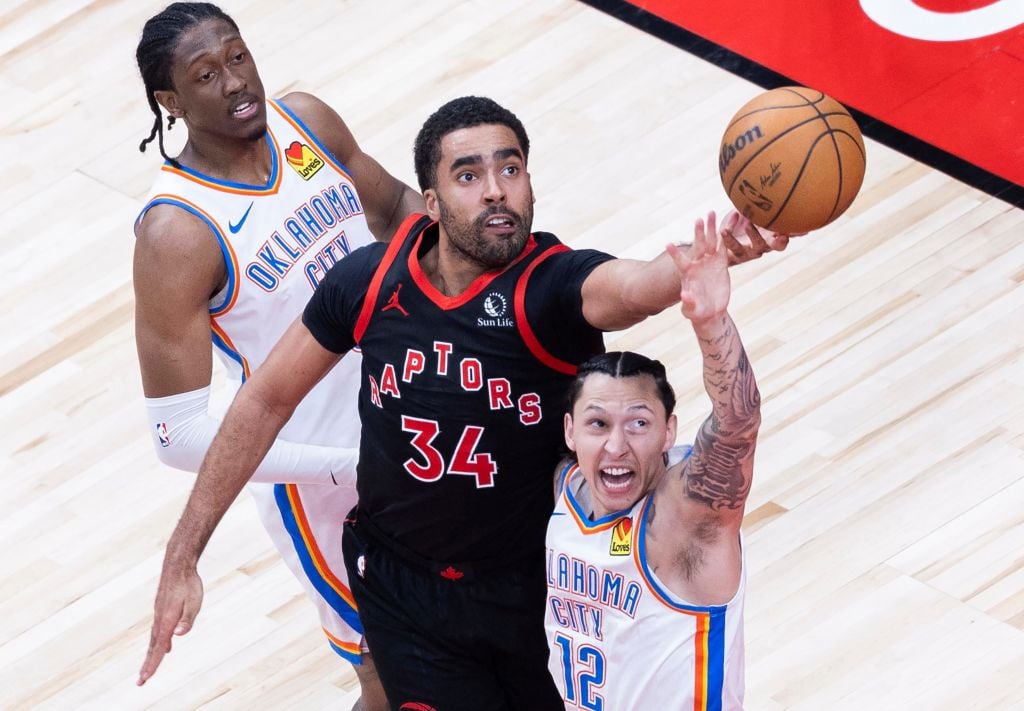
But an investigation by the magazine suggests the Mafia figures he believed were behind the threats may not have existed.
The New Yorker’s Nick Berardini traced phone numbers supposedly belonging to supposed Mob bookmakers but instead found people already implicated in the betting scheme that ended Porter’s NBA career. None have been identified by prosecutors as having Mafia connections.
Porter, who was permanently banned from the NBA in April 2024, has maintained that mounting gambling debts pushed him into a conspiracy to manipulate bets on his own on-court performances.
Threats Against His Family
In 2022, Porter sought bookmakers willing to extend him credit through an acquaintance, Johnny Kalaj. He soon racked up more than $160,000 in debt to a group he understood to be linked to the “Jewish Mafia,” according to the report.
Kalaj warned of frightening consequences if he failed to pay.
Porter later dealt through another intermediary, Ammar Awawdeh, who introduced him by text to “Vinny,” described to Porter as an Italian Mafia bookmaker. His debt to Vinny reportedly reached around $200,000.
Porter said Awawdeh told him Vinny had served time for manslaughter and recounted a story about a debtor having a finger cut off. When contacted by The New Yorker, Awawdeh denied making that claim.
Was the Mafia Real?
Berardini discovered that Porter never spoke directly with the alleged mobsters, communicating solely via text and funneling repayments through Kalaj or Awawdeh.
More strikingly, the number for Vinny was registered to Bruce Pham, Awawdeh’s associate and a participant in Porter’s betting conspiracy. Numbers for contacts supposedly representing separate criminal groups also used the same phone-service provider.
Several professional gamblers and individuals connected to the case suspect a scam in which middlemen collected losing bets but concocted excuses to withhold payouts on winning wagers. In one instance, Awawdeh refused to hand over nearly six figures in winnings to Porter, citing previous late payments.
Asked directly by The New Yorker whether “Vinny” actually existed, Awawdeh declined to give a straight answer.
Porter eventually joined the scheme to pull himself out of Toronto Raptors games early, allowing associates to cash in on underprop bets on his statistics. He subsequently pleaded guilty to federal charges of conspiracy to commit wire fraud.
Ultimately, Porter’s fear of mob retaliation may have been genuine—even if the enforcers sending the texts may have been entirely manufactured.


 Most Read
Another Shooting Near Las Vegas Strip Casino Injures Man
 973,074 views

Vintners Oppose Napa Valley Casino
556,665 views




Conversation (1 comment)