 Main menu

Prediction Markets
NY Federal Judge Weighs CFTC Exclusive Jurisdiction Over Prediction Markets
Posted on: September 16, 2026, 09:58h.
Last updated on: September 16, 2026, 10:54h.


Key Points
- A federal judge heard arguments Monday over whether CFTC-regulated prediction markets must comply with New York gambling laws
- New York AG Letitia James alleges Coinbase and Gemini offer illegal gambling and seeks $3.4 billion in damages and restitution
- The CFTC argues federal law gives it exclusive authority over event contracts, while the AGA says sports contracts are unregulated sports bets


A federal judge on Monday (Sept. 14) heard oral arguments from the Commodity Futures Trading Commission (CFTC) on why the prediction markets it regulates should not be subject to New York state gaming laws.
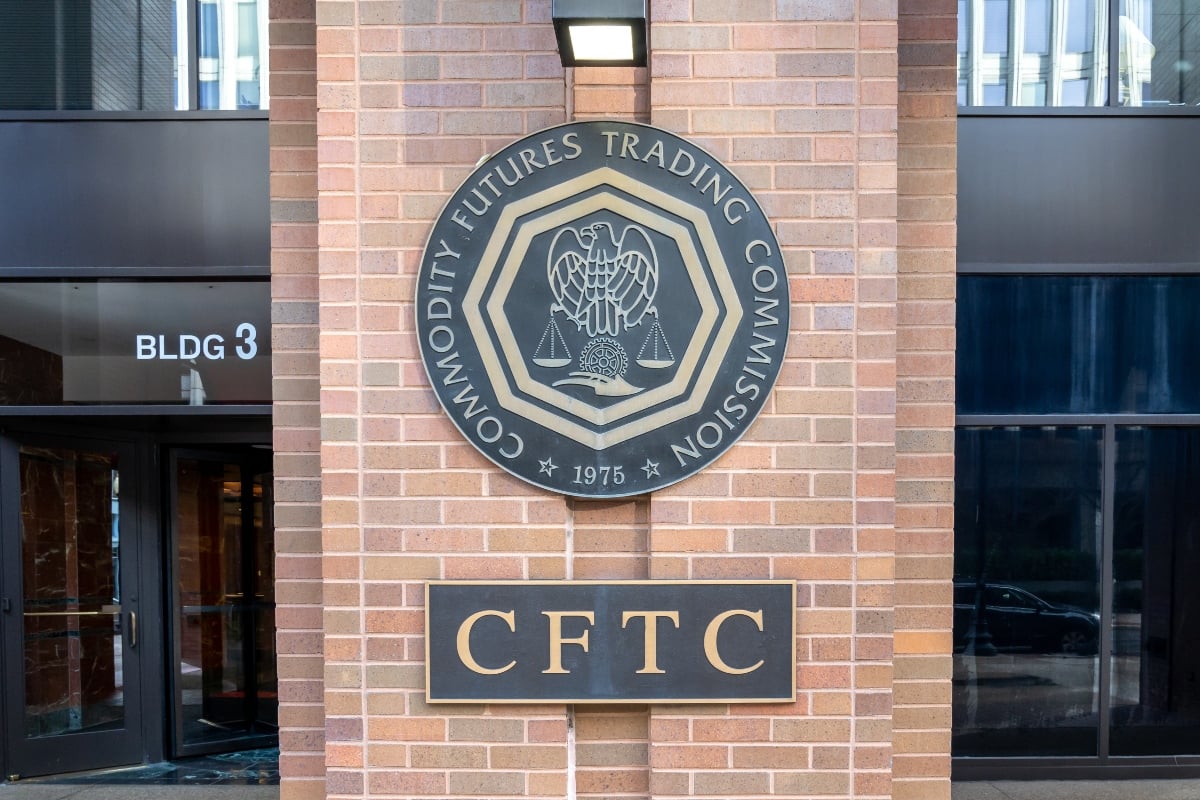
In April, New York Attorney General Letitia James sued Coinbase and Gemini on allegations that the prediction markets run illegal gambling platforms. James is seeking the recovery of $3.4 billion in alleged illegal profits, civil penalties, and treble customer restitution.
The CFTC filed a motion to dismiss the state’s claims against its licensed prediction markets.
New York’s attempt to shut down federally regulated markets intrudes on the exclusive federal scheme Congress designed to oversee national swaps markets. Prompted by the evolution of national financial markets and repeated conflicts with state law, Congress enacted the Commodity Exchange Act (CEA), granting the CFTC exclusive jurisdiction to regulate those markets and enacting a comprehensive federal regulatory framework that preempts state laws that attempt to regulate the operation of, or transactions on, CFTC-regulated exchanges,” read the CFTC’s petition for injunctive and declaratory relief.
Coinbase and Gemini are prediction markets that allow users to buy and sell shares of future outcomes. They operate with Designated Contract Market licenses from the CFTC.
Monday Debate
During Monday’s oral arguments, Judge Lorna G. Schofield of the U.S. District Court for the Southern District of New York pressed CFTC counsel on why an injunction is warranted when other federal courts have denied similar petitions.
CFTC attorneys argued that event contracts are derivative instruments structured as swaps, giving the agency exclusive regulatory authority under the CEA.
State attorneys countered that many event contracts offered on Coinbase and Gemini are not financial derivatives, but unapproved gambling. The state contends contracts tied to sporting events constitute wagers that fall under the sole jurisdiction of the New York State Gaming Commission.
CFTC counsel told Schofield that without federal court intervention, New York will continue its “attempts to subvert federal law” and undermine the agency’s “exclusive jurisdiction to regulate event contract swaps conferred on the CFTC by Congress.”
Schofield did not issue a ruling from the bench following Monday’s hearing.
AGA Memorandum
Schofield permitted the American Gaming Association (AGA) to submit an amicus memorandum opposing the CFTC’s injunction request. The commercial casino trade group maintains that sports-based prediction markets are simply unregulated sportsbooks.
“According to the CFTC, sports event contracts on prediction markets are derivatives contracts governed exclusively by the CEA. But as is obvious to everyone who visits a prediction market, these contracts are hardly novel financial instruments—they are sports bets,” the AGA argued in its Sept. 7 filing.
The ruling could set a major legal precedent, determining whether state gaming regulators can enforce local gambling laws against federally registered event contracts or if the CFTC holds sole oversight.

 Most Read

Another Shooting Near Las Vegas Strip Casino Injures Man
 971,444 views

Vintners Oppose Napa Valley Casino
555,138 views





Conversation (0)
Be the first to comment on this article.