 Main menu

Legal
Pennsylvania Police Prepare to Seize Thousands of Skill Games as Oct. 13 Deadline Looms
Posted on: October 8, 2026, 07:19h.
Last updated on: October 8, 2026, 09:14h.


Key Points
- Pennsylvania will begin seizing skill games left in businesses after the state Supreme Court’s 120-day stay expires Oct. 14
- State police warn hosts, vendors, and manufacturers could face raids, criminal charges, asset forfeiture, and license revocation
- Violators could face up to five years in prison and $10,000 in fines per offense, with an estimated 70,000 skill games operating statewide


Pennsylvania state law enforcement will begin raiding businesses and seizing unregulated skill games next week when a 120-day judicial stay expires on Oct. 14, enforcing a state Supreme Court ruling that classified the controversial devices as illegal slot machines.
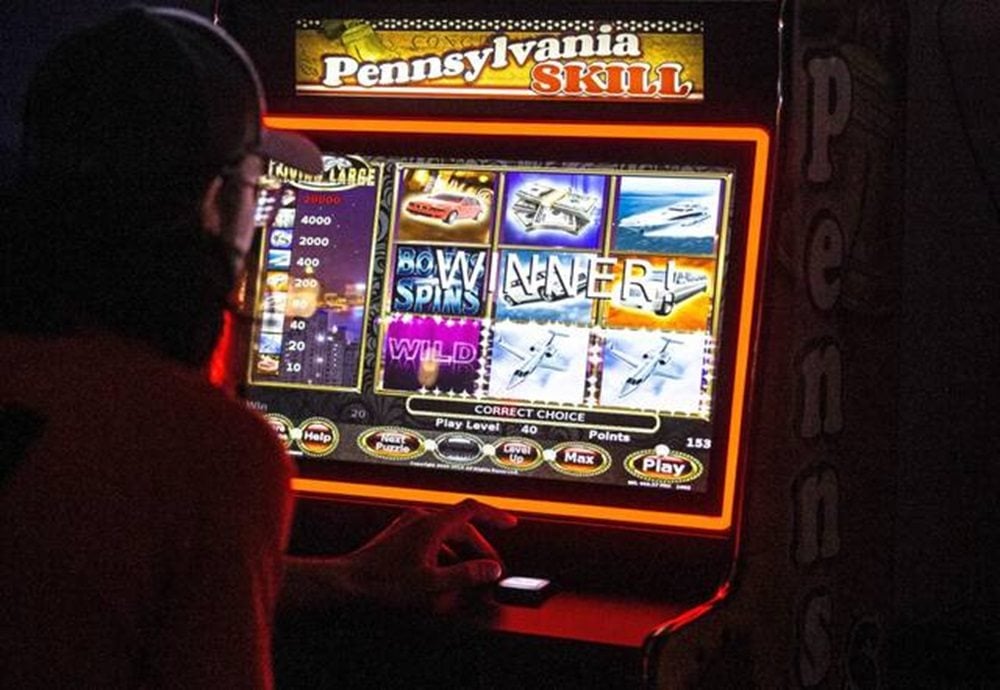
The Pennsylvania Supreme Court ruled against arguments that skill games are immune from the state’s gambling law because they incorporate an element of aptitude in which players can alter their win payout rate. The high court found that the General Assembly’s definition of a slot machine makes a skill element “not legally significant.”
Beginning Wednesday, Oct. 14, unlicensed skill games—most commonly operated under the Pennsylvania Skill brand—will officially be classified as illegal gambling devices. Attorney General Dave Sunday and the Pennsylvania State Police (PSP) have warned host businesses that continued operation will trigger immediate law enforcement action.
The law enforcement agencies say simply turning off the machines does not satisfy the law. Sunday told businesses to demand that their skill game vendors and distributors immediately remove the machines.
State Police Launch Compliance Portal
The PSP explains that businesses continuing to house skill games Oct. 14 forward are subject to criminal prosecution. Pursuant to section 5513 of the Crimes Code, it’s a criminal offense to “maintain, possess, assemble, set up, make, sell, or lease slot machines” unless the business is licensed and authorized to do so by the Pennsylvania Gaming Control Board (PGCB).
State police have established a website with resources for businesses that still have skill games. The website details that enforcement actions may include the seizing and forfeiting of the machines and associated equipment, the games’ proceeds, administrative action against the business’s liquor license, and criminal charges.
“Distributors, vendors, and manufacturers refusing to remove their slot machines from businesses are reminded of the potential for criminal charges should they continue to maintain devices for operation,” the PSP warned in its official advisory.
Severe Penalties for Non-Compliance
A person found guilty of section 5513, a first-degree misdemeanor, faces a maximum penalty of five years’ imprisonment and fines of up to $10,000 per offense. Offenders additionally risk asset forfeiture and business license revocation.
Before the Supreme Court’s ruling, Sunday’s office estimated there were approximately 70,000 skill game machines operating across the commonwealth.
Efforts to legalize the games continue in the Harrisburg capital, but with less than a week remaining before law enforcement is to begin, there will likely be at least a stoppage in play.
Gov. Josh Shapiro (D) called for regulating the machines with a 52% tax on gross terminal revenue in his 2026 budget proposal, but the motion failed.

 Most Read

Another Shooting Near Las Vegas Strip Casino Injures Man
 972,480 views

Vintners Oppose Napa Valley Casino
556,110 views


Conversation (0)
Be the first to comment on this article.