 Main menu


Prediction Markets
Texas Rep. Bhojani Wants to Raise Prediction Market Age to 21
Posted on: November 12, 2026, 01:41h.
Last updated on: November 13, 2026, 05:27h.


Key Points
- Texas state Rep. Salman Bhojani has pre-filed H.B. 598, which seeks to raise the minimum trading age for prediction markets in the state from 18 to 21
- The bill incorporates recommendations from the Texas Medical Association by banning yes/no exchange advertising near primary and secondary schools and mandating rigorous KYC age verification
- While leaving standard sports event contracts untouched, the legislation introduces civil penalties for platforms offering event contracts on sensitive topics such as criminal investigations, deaths, terrorism, and legal outcomes


Ahead of the start of the new legislative session in January, Democratic Texas state Rep. Salman Bhojani has pre-filed legislation that would raise the minimum age for trading on prediction markets in the state to 21.
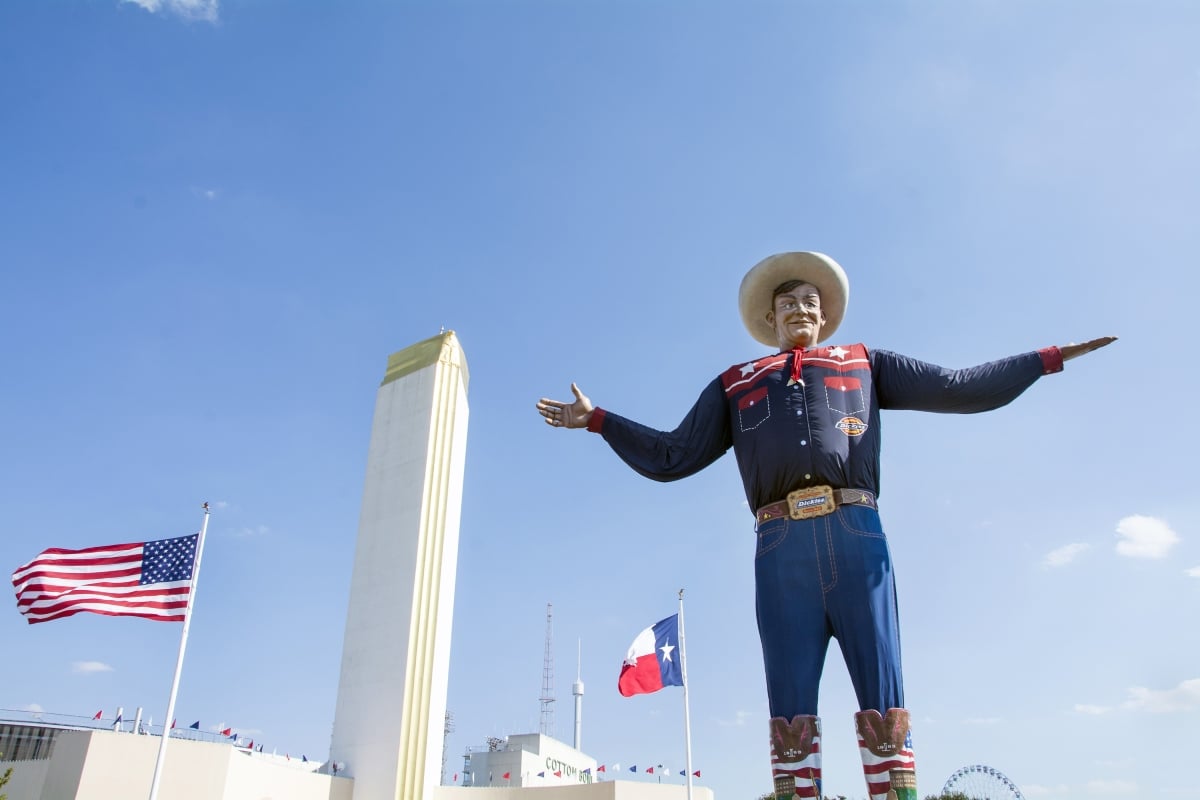
The early filing of Bhojani’s H.B. 598 arrives as some of his colleagues have pre-filed a spate of wagering-related legislation following a blue wave in last Tuesday’s midterm elections. With Democrats securing major wins across statewide executive offices, there’s optimism that the second-most populous state will embrace various forms of gaming expansion.
As for Bhojani’s prediction market bill, the effort to move Texas’s minimum trading age to 21 would put the state in line with wagering laws seen in most states and it’d eliminate the 18 and up requirement employed across the country by some of the largest prediction market operators.
An operator may not permit an individual physically located in this state who is younger than 21 years of age to purchase, sell, trade, or enter into an event contract through a prediction market,” according to text of Bhojani’s proposal.
Fanatics and Novig are among the well-known prediction market firms that already enforce 21-and-up mandates.
More Details on the Bhojani Bill
H.B. 598 requires prediction operators to employ know-your-customer (KYC) protocols to verify clients’ identities “using a commercial age verification system that verifies age using” government-issued identification or another “commercially reasonable method.”
The Bhojani bill emerges just months after the Texas Medical Association (TMA) advocated for raising the state’s prediction market age to 21, noting that teenagers may be vulnerable to adopting problematic wagering habits by way of the high-speed thrills offered by yes/no exchanges.
The medical association also recommended banning prediction market advertising near school grounds and on social media platforms frequented by teenagers. Bhojani’s legislation takes up that mantle, proposing bans on yes/no exchange advertising near primary and secondary schools while mandating that operators clearly state that the minimum trading age is 21.
Prior to the midterm election, Texas policymakers noted that the issue of prediction markets, in some form, would be examined this year. Now, there’s more momentum for added scrutiny on the industry with much of it at the national level where Democrats will have deep majorities in both chambers of Congress come January.
Targeting Ads and Controversial Contracts
Bhojani’s legislation does not take direct aim at sports event contracts—which are the primary source of the industry’s legal friction in other states. However, it proposes civil penalties for operators allowing trading in specific sensitive categories.
Those include criminal investigations, deaths of individuals, executions, legal outcomes, terrorism and acts of war, among others.
With Democrats capturing key executive offices—including Gov.-elect Gina Hinojosa—while legislative dynamics shift, H.B. 598 enters a changing political landscape where gaming reform is taking center stage.


 Most Read

Another Shooting Near Las Vegas Strip Casino Injures Man
 973,124 views

Vintners Oppose Napa Valley Casino
556,711 views


Conversation (0)
Be the first to comment on this article.